Defense as the Key: Learn to Analyze a Basketball Team’s Defensive Strategy

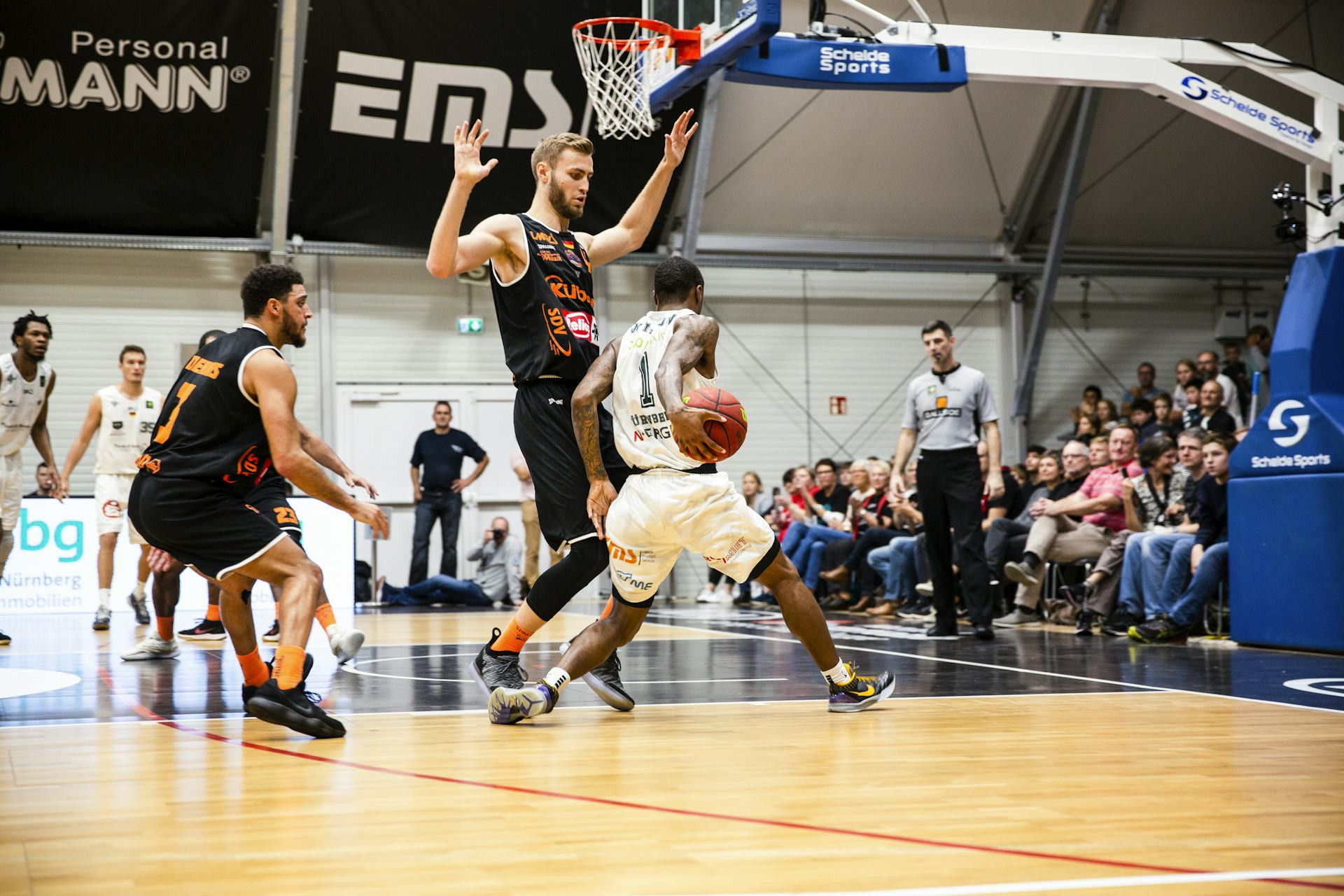
Defense as the Key: Learn to Analyze a Basketball Team’s Defensive Strategy
When you watch a basketball game, it’s easy to get caught up in the highlight plays — the deep three-pointers, the thunderous dunks, and the fast breaks that bring the crowd to its feet. But behind every win lies a less glamorous, yet equally crucial element: defense. A team’s defensive strategy often determines whether they walk away victorious or defeated. Understanding that strategy allows you to see the game on a deeper level. Here’s how you can start analyzing a team’s defense like a pro.
Why Defense Is the Foundation
A strong defense isn’t just about stopping the opponent from scoring. It’s about controlling the pace, forcing bad decisions, and creating opportunities for transition offense. Teams that defend well can still win on nights when their shots aren’t falling. That’s why coaches often say, “Offense wins games, but defense wins championships.”
When you evaluate a team, ask yourself: How do they respond when the other team has the ball? Are they organized? Do they communicate? Can they disrupt the opponent’s rhythm?
The Most Common Defensive Systems
There are several ways to structure a defense, each with its own strengths and weaknesses. Here are the most common types you’ll see in American basketball, from high school gyms to the NBA:
- Man-to-Man Defense – Each player guards a specific opponent. It demands quick feet, strong communication, and the ability to help teammates when someone gets beaten off the dribble.
- Zone Defense – Players guard areas instead of individuals. It’s often used to protect the paint and force opponents to shoot from the perimeter.
- Combination or “Junk” Defenses – A mix of man and zone principles, such as a box-and-one or triangle-and-two. These can confuse opponents and disrupt offensive flow.
- Press and Trap Systems – Aggressive schemes designed to pressure the ball and create turnovers. They require high energy, precise timing, and excellent teamwork.
As you watch a game, notice how teams switch between these systems. The ability to adapt defensively is often a sign of smart coaching and disciplined players.
The Key: Communication and Rotations
Great defense is built on teamwork. Communication is everything — players must constantly call out screens, switches, and help assignments. Silence on defense usually leads to breakdowns.
Rotations are another critical piece. When one defender helps a teammate, another must rotate to cover the open player. Teams that rotate quickly and in sync can shut down even the most potent offenses. When analyzing a defense, pay attention to how fast players react when the ball moves from side to side. Quick, coordinated rotations are the mark of a well-drilled unit.
Stats That Reveal the Hidden Story
While much of defense is about feel and observation, statistics can provide valuable insight. Look for numbers such as:
- Defensive Rating – Points allowed per 100 possessions; a lower number means better defense.
- Steals and Blocks – Indicators of defensive activity and ability to create turnovers.
- Defensive Rebound Percentage – Shows how well a team finishes defensive possessions.
- Opponent Field Goal Percentage – Especially from three-point range and in the paint; it reveals how effectively a team contests shots.
These stats help you see whether a team is merely surviving on defense or truly dominating.
How to Practice Watching Defense
To sharpen your eye for defense, try focusing on one player at a time instead of following the ball. Watch how they position themselves, how they fight through screens, and how they help teammates. Over time, you’ll start to recognize patterns — and understand why some teams seem impenetrable while others constantly scramble.
You can also compare how a team defends in the first half versus the second. Mid-game adjustments often reveal a coach’s ability to read and counter the opponent’s strategy.
Læs også:


Defense as a Team’s Identity
The best teams build their identity around defense. It fosters trust, unity, and discipline. When players know they can rely on each other defensively, they play more freely and confidently on offense. Defense isn’t just a tactic — it’s a mindset.
So next time you watch a game, look beyond the highlight reels. Notice who takes charges, who communicates the most, and who’s always in the right spot. Those are often the players — and the moments — that truly decide the outcome.
Læs også:


