Expand Your Understanding of Cycling Bet Types as Your Sports Knowledge Grows

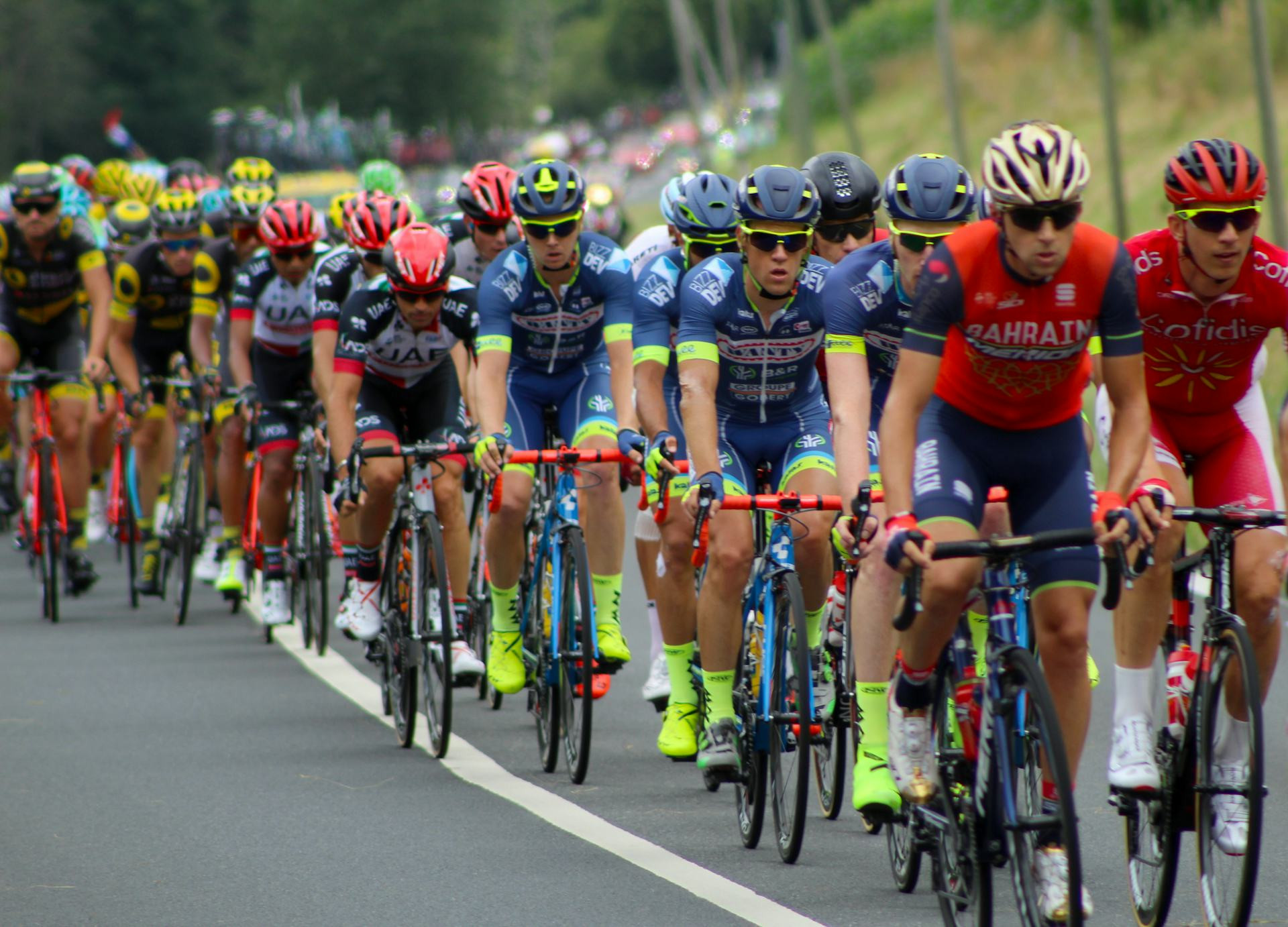
Expand Your Understanding of Cycling Bet Types as Your Sports Knowledge Grows
Cycling is one of the most unpredictable and strategically complex sports, which makes it especially appealing to fans who enjoy sports betting. But to truly appreciate the experience—and to bet responsibly—you need to understand the different types of wagers available. As your knowledge of the sport deepens, you can also expand your understanding of how odds, team tactics, and race profiles interact.
From Classic Win Bets to Specialized Markets
Most newcomers start with the simplest option: the outright winner bet—who will win the race? This could be anything from a one-day classic like Paris–Roubaix to a stage in the Tour de France. But cycling is rarely straightforward. Terrain, weather, tactics, and team roles all influence the outcome, and the favorite doesn’t always cross the finish line first.
As you gain experience, you can explore placement bets (such as top 3 or top 10 finishes), stage winner bets, or head-to-head matchups, where you wager on which of two riders will perform better. These types of bets reward a deeper understanding of riders’ strengths and weaknesses, and how the race profile suits them.
Understanding Race Types—and How They Affect Odds
Cycling races vary enormously in character. A sprinter thrives on flat stages, while a climber excels in the mountains. In the spring classics, endurance and positioning are key, while Grand Tours like the Tour de France or Giro d’Italia reward consistency over three weeks.
When you understand the differences between race types, you can better assess which riders have realistic chances. Betting on a sprinter in a mountain stage rarely makes sense—but that same rider could be a strong pick for a flat stage ending in a mass sprint.
Team Tactics and Roles—The Key to Reading a Race
Cycling is a team sport disguised as an individual competition. Every rider has a role: team leader, domestique, sprinter, climber, or time trial specialist. When you understand how teams work together, you can better predict who will be allowed to chase victory.
For example, on a team with a strong leader, support riders often sacrifice their own chances to help him. That means even a talented rider might finish far down the results if team strategy demands it. These tactical nuances are crucial when evaluating odds.
Live Betting—When the Race Is in Motion
With live betting, you can place wagers while the race unfolds. This requires quick thinking and a solid grasp of race dynamics. Maybe you notice a breakaway gaining too much time, or a favorite struggling on a climb—those moments can change everything.
It’s important to stay calm, though. Cycling can shift direction in minutes, and it’s easy to get caught up in the excitement. Use your knowledge of riders’ form and the race profile as your guide, not the heat of the moment.
Læs også:


Stats and Form—Using Data Wisely
Today, there’s a wealth of data available on riders’ performances: power output, past results, and how they perform on specific terrain. The better you understand these numbers, the more informed your betting decisions will be.
But remember, data doesn’t tell the whole story. Weather, crashes, illness, and team tactics can all change the outcome. Statistics are a tool—not a guarantee.
Bet Responsibly—and for the Love of the Sport
Betting can make watching cycling even more exciting, but it should always be about entertainment, not profit. Set limits on how much you wager, and keep your focus on the enjoyment of the sport. The more you learn about cycling’s nuances, the more you’ll realize that understanding the race itself—not the payout—is what brings the greatest satisfaction.
Læs også:


