Joyful Competition with Care – Balancing Fun and Responsibility

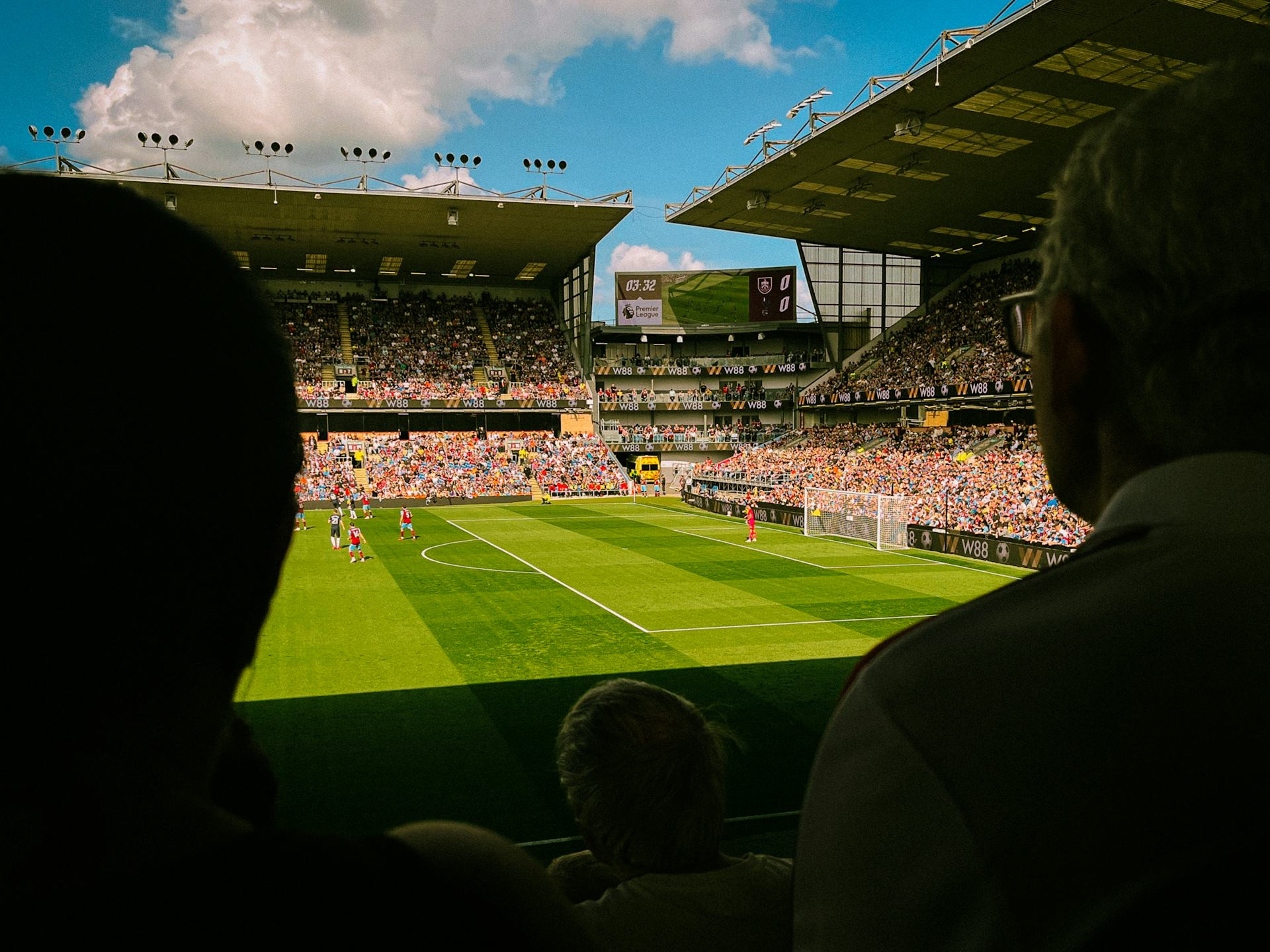
Joyful Competition with Care – Balancing Fun and Responsibility
For many Americans, playing games of chance or skill—whether it’s sports betting, fantasy leagues, or online casino games—can be an exciting and social pastime. The thrill of competition, the suspense of a close game, and the joy of a win can all add to the fun. But behind that excitement lies a shared responsibility: to enjoy the game while keeping it healthy and balanced. How do we make sure that competition stays joyful, not harmful?
Play for Fun – Not for Income
For most people, gaming and betting are forms of entertainment, much like going to a concert or watching a movie. It’s something you pay for to enjoy the moment—not a way to make money. When the goal shifts from fun to profit, the experience can quickly change.
A good mindset is to see gaming as paying for excitement. If you win, that’s a bonus—but not the main purpose. This approach helps keep the activity lighthearted and prevents it from turning into stress or dependency.
Læs også:


Know Your Limits – and Stick to Them
One of the most effective ways to play responsibly is to set clear personal limits—both in time and money. Many licensed gaming platforms in the U.S. now offer tools that let you set deposit or loss limits, track your spending, or take breaks from play. These small steps can make a big difference.
Before you start, make a plan: How much are you willing to spend? How long will you play? What will you do if you go over your limit? Having clear answers helps you stay in control, even when the game gets intense.
The Psychology of Play – Why It’s So Engaging
Games are designed to capture our attention. Bright colors, quick results, and near-miss moments all trigger the brain’s reward system, making it easy to lose track of time or money. This isn’t a sign of weakness—it’s simply how our brains work.
That’s why awareness is key. If you notice that you’re chasing losses, playing to escape stress, or losing track of your spending, it’s time to pause. Responsible play isn’t about avoiding games altogether—it’s about understanding your own patterns and stepping back when needed.
Community and Competition – The Positive Side
Competition can also bring people together. Many enjoy sharing the experience with friends—discussing odds, following teams, or celebrating wins. It can strengthen social bonds and add a new layer of enjoyment to sports and entertainment.
Playing in a social setting can also help keep things balanced. Friends can remind each other to take breaks or keep the focus on fun rather than pressure. Talking openly about gaming—both the highs and the lows—helps normalize responsible habits.
The Role of Operators – and the Player’s Choice
Responsible gaming isn’t just up to the player. Operators and platforms have a duty to create safe environments. That means clear information about risks, easy access to support, and tools to help players manage their activity. Many U.S. operators now partner with organizations that promote responsible gaming and problem gambling prevention.
As a player, you can support this by choosing licensed, transparent operators that take responsibility seriously. Look for clear terms, visible licensing, and accessible help resources. Choosing responsible providers helps protect both your enjoyment and your well-being.
When the Balance Tips
If gaming starts to feel overwhelming or out of control, it’s important to act early. In the U.S., free and confidential help is available through services like the National Problem Gambling Helpline (1-800-GAMBLER) and local counseling programs. Reaching out for help isn’t a failure—it’s a step toward regaining balance.
Many people find that simply talking about their gaming habits can make a big difference. Support is available not only for players but also for family and friends who may be affected.
Joyful Competition with Care
Finding the balance between fun and responsibility comes down to awareness. When you play with care, you can enjoy the excitement without losing control. It’s possible to feel the rush of competition, celebrate the wins, and still protect your limits.
Games should bring joy, not worry. With the right mindset and tools, you can keep competition fun, fair, and fulfilling—for the long run.
Læs også:


